[ayudawp_share_buttons]
How is a Shower Pan Tested?
updated 3/31/2026
Shower Pan Testing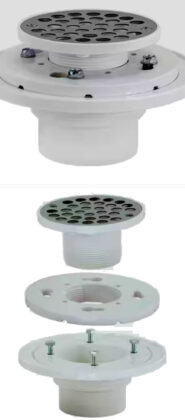
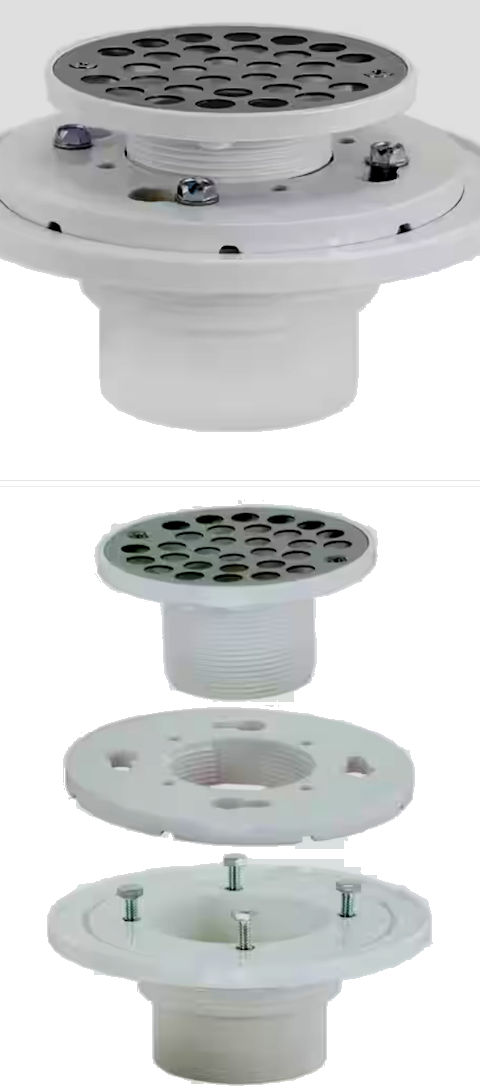
The proper way to test a shower pan is to insert a inflatable bell into the shower drain, to seal the drain, and fill with water. The water level is then monitored for a period of time. If the water level drops, that usually indicates a pan leak. This test should be done as soon as the pan is installed. The Texas Board of Plumbing Examiners required that this type of testing be done by licensed plumbers only.
Inaccurate Test
Some home inspectors use shower pan test plug. This is not an accurate way to test for pan leaks. The perforated cover that you see drains the surface of the shower floor. Below that is an additional drain which drains the pan. When the shower pan test plug is used, water can seep through the tile grout and small cracks down to the pan where it then flows to the drain. What appears to be a leaking shower pan may not be.
Shower Drain Leak
This is a shower drain with the cover removed. What you see inside of it is the drain pipe that has separated from the drain. Water from this defective shower drain is leaking under the foundation which can cause major damage. If this shower has been used regularly and then is no longer used, the 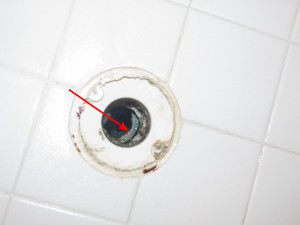 soil supporting the foundation will dry and shrink and cracks may appear in the walls and floor. This does not happen right away. It may take months to show up. Cost to repair this defective shower drain is estimated at $1,000 to $1,800. This is only if there is no future movement of the foundation. The buyer walked on the deal after the home inspection because of the unknown future costs.
Author Larry Wedige, owner of LarryInspects Home Inspection Servce, holds a license from the Texas Real Estate Commission as a Professional Real Estate Inspector (license #6060-PI), which he has maintained since 2002. He maintains memberships with the International Association of Certified Home Inspectors (InterNACHI), the Texas Professional Real Estate Inspector Association (TPREIA), and the North American Deck and Railing Association (NADRA), where he serves as a Certified Deck Inspector. He formerly served as an Adjunct Instructor at San Antonio College, where he taught courses in home inspection. Larry is also Infrared Certified and incorporates infrared thermography into all inspections. A native of San Antonio, Larry possesses over five decades of expertise in remodeling, repair, and home construction. His extensive experience is augmented by the completion of the home inspector curriculum at San Antonio College, licensure by the Texas Real Estate Commission (TREC), and the fulfillment of numerous hours of continuing education in home inspection. He consistently surpasses the continuing education requirements set by the Real Estate Commission. Larry adheres to the TREC Standards of Practice and the NACHI Code of Conduct, which forbids participation in any conflict of interest activities that could affect his impartiality.